
Shrubs Around Las Vegas, Vegetation Around Las Vegas
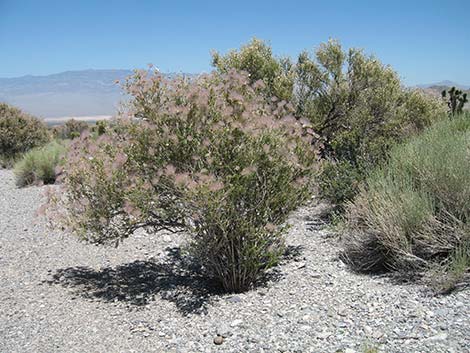 |
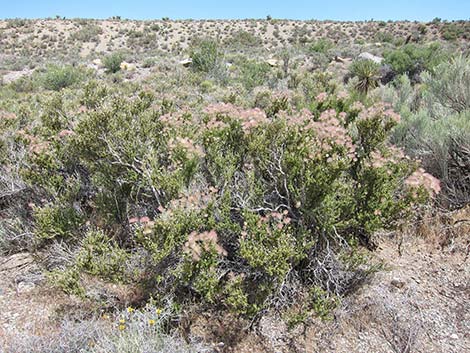
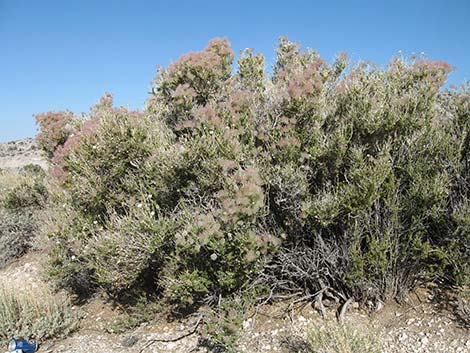
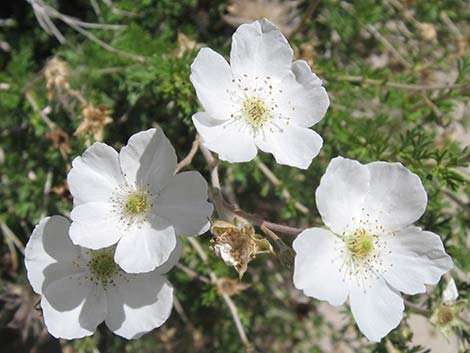
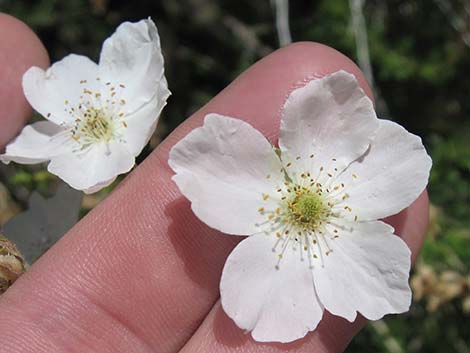
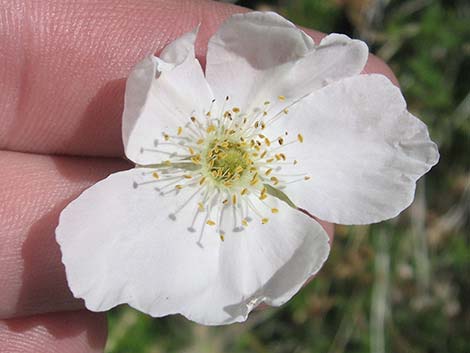
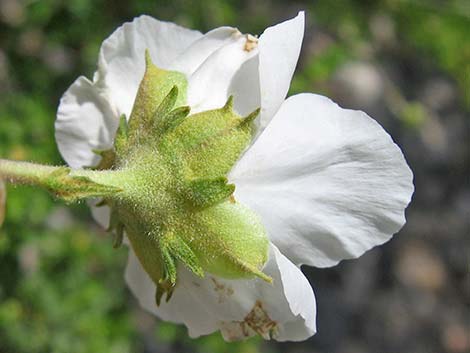
General: Apache Plume (Fallugia paradoxa) is an erect, rounded shrub that grows to about 4-ft high with many fine twigs. In the spring, the shrub produces many wildrose-type flowers with large, white petals and many yellow stamens and pistils. Each flower produces about 25 seeds, and each seed is attached to a feathery plume. Combined, the plumes give the plant a fluffy appearance when the seeds are ripe. Apache Plume is a common component of vegetation communities along washes and on bajadas, ridges, and rocky slopes in the Upper Sonoran (Mojave Desert Scrub and Pinyon-Juniper Woodland) Life Zone. Around Las Vegas, look for Apache Plume at middle elevations in places such as the top of the Red Rocks Scenic Loop, the Sheep Range in the Desert National Wildlife Range, and up on Mt. Charleston. Family: Rose (Rosaceae). Other Names: Apacheplume |
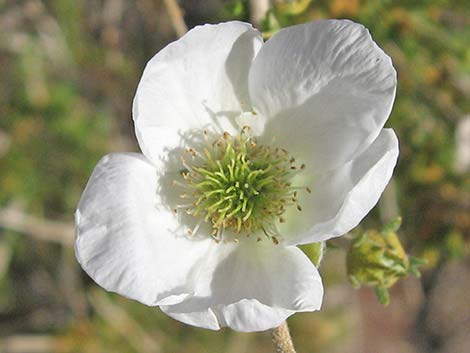 |
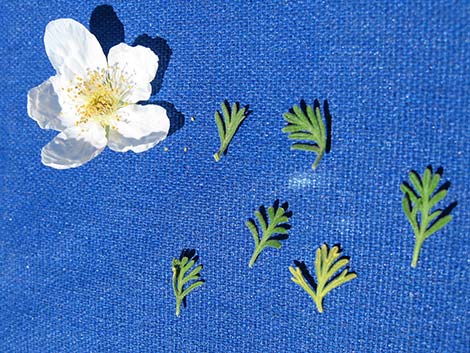
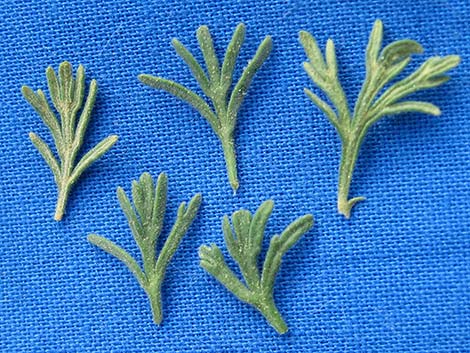
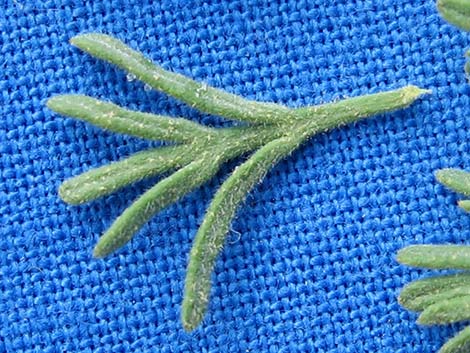
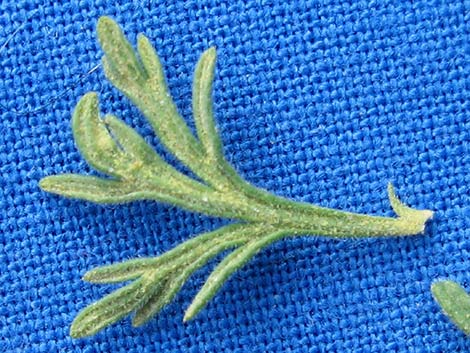
Plant Form: Erect, rounded shrub. Height: To about 4-ft. Bark: Grayish white, densely covered with tiny, matted hairs; peeling. Stems: Many thin branches. Leaves: Small (7–15 mm), deeply pinnately compound (3–7 lobes), edges rolled under, densely hairy below, alternate, deciduous. Leaves clustered on short lateral branches. Flowers: Blooms spring and early summer, and then again as late as late November if conditions permit. Inflorescence terminal with 1–3 flowers. Flowers typical 5-petaled wildrose-type: white with many yellow stamens and pistils. Petals large (1/3 to 1 inch long), round, white. |
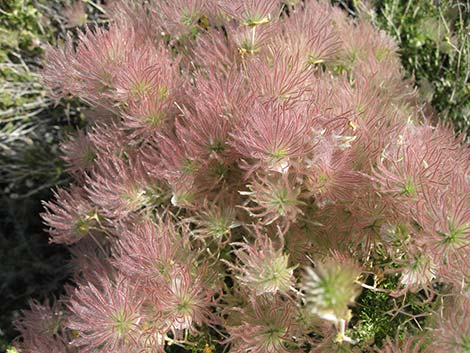 |
Seeds: pointed, 3 to 5-mm long, oblong, with a feathery plume attached. Each flower produces 20-25 plumed seeds. Habitat: Dry, well-drained sandy, gravelly, and rocky soils in washes, upper bajadas, moderate slopes in the lower mountains, and rocky ridges. Elevation: 3,000–7,000 feet. Distribution: Southwestern U.S. from California to Texas and south into Mexico. Comments: Without flowers, Apache Plume looks similar to Stansbury Cliffrose (Purshia stansburiana). However, Apache Plume tends to be a shrub, while Cliffrose tends to be a small tree. |
 |
 |
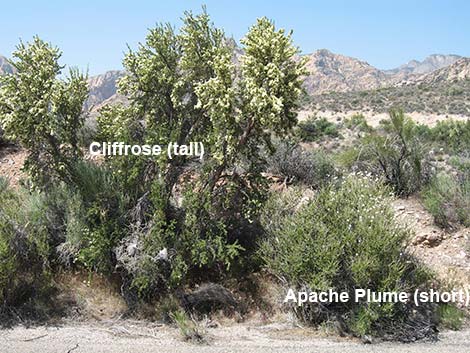 Cliffrose (tall, left) and Apache Plume (short, lower right) |
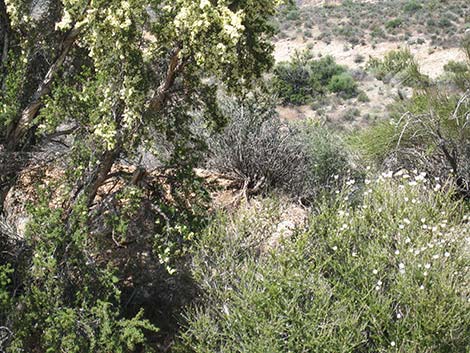 Cliffrose (tall, left) and Apache Plume (short, lower right) |
 |
 |
 |
 |
 |
 |
 |
 |
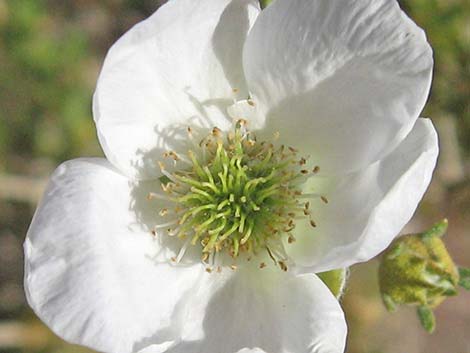 Apache Plume flower |
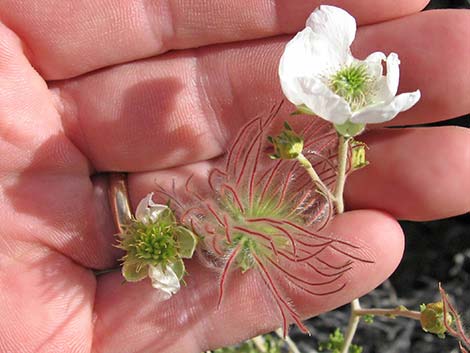 Apache Plume flowers and developing seeds |
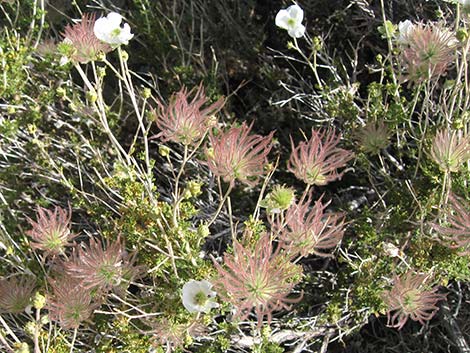 Apache Plume flowers and developing seeds |
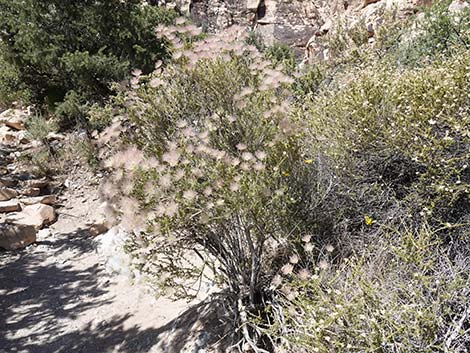 Apache Plume with ripe seeds |
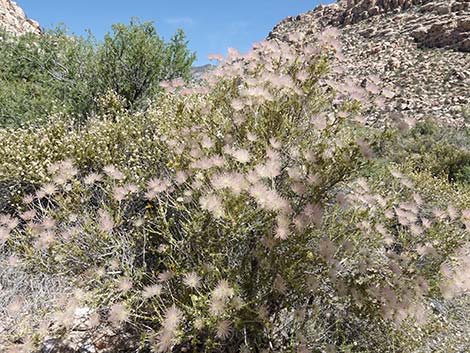 Apache Plume with ripe seeds |
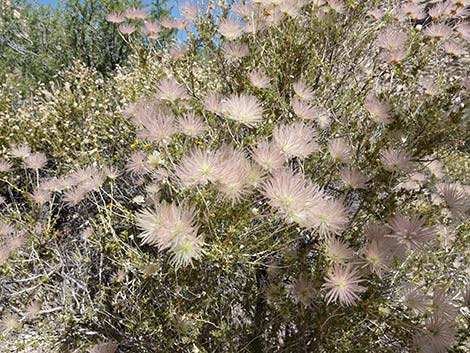 Apache Plume with ripe seeds |
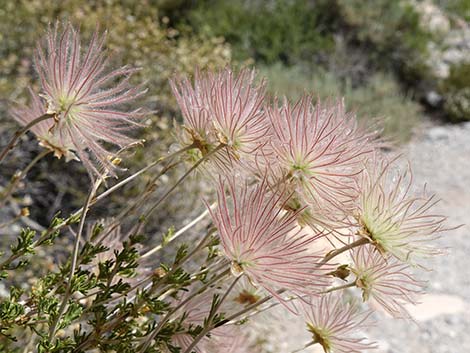 Apache Plume seeds each have a feathery plume |
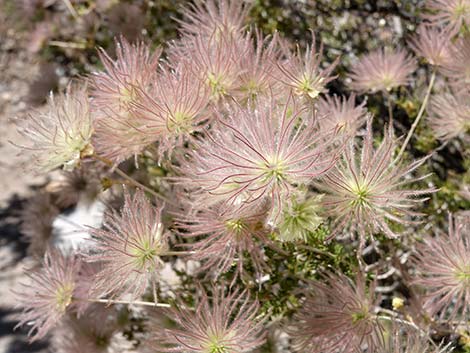 Apache Plume seeds each have a feathery plume |
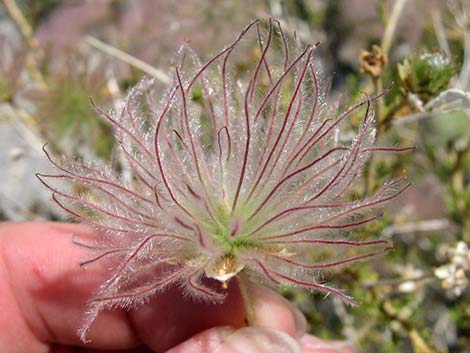 Apache Plume seeds each have a feathery plume |
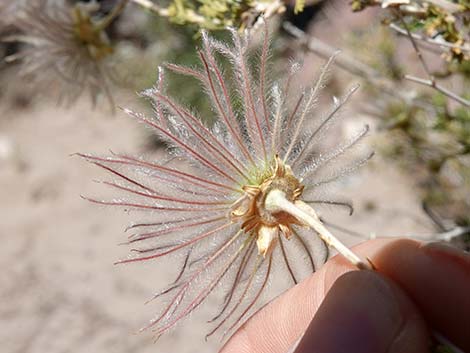 Apache Plume seeds each have a feathery plume (view from behind) |
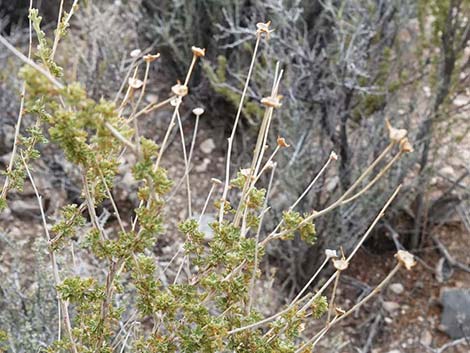 Spent flowerheads during winter |
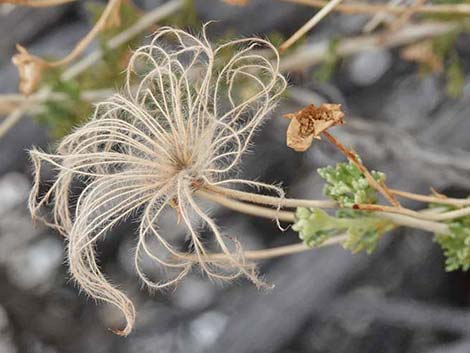 Ripe seeds with plumes (left) and spent flowerhead (right) |
Note: All distances, elevations, and other facts are approximate. Names generally follow the USDA database.
 ; Last updated 220811
| All Shrubs | Plant Species Index | Glossary | Copyright, Conditions, Disclaimer | Home |